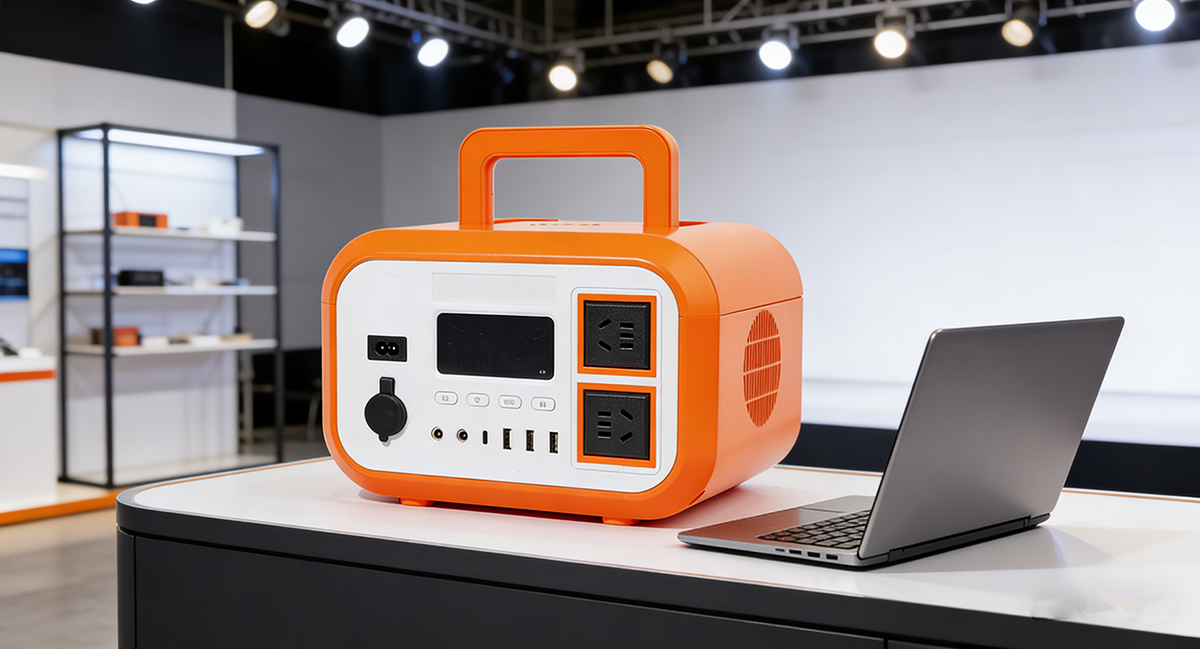
1. Adjust the power to the appropriate range (most important)
Long-term storage should not be fully charged or emptied, and it is best to keep 40% ~ 60% of electricity.
Fully charged storage: the aging of lithium batteries is accelerated, and the risk of bulging is increased;
Depleted storage: it is easy to trigger over-discharge protection, and it can't be charged if it is scrapped directly.
Suggestion: charge it to about half before storing it, and check the power every three months. If it falls below 30%, replenish it to about 50%.
2. Environmental requirements
Temperature: in a cool and dry place, 10 ~ 25℃ is the most suitable; Stay away from high temperature (window sill, car, next to heating) and exposure. High temperature is the biggest killer of lithium batteries.
Moisture-proof: don't put it in wet places such as bathroom and basement; Avoid water and condensation.
Keep away from: inflammable and explosive articles, do not mix them with metal keys and coins to prevent short circuit.
3. Use and storage details
Unplug the connected data cable before storage, and don't always plug it in;
Protect the shell to avoid squeezing, falling and puncture;
Store separately, without heavy pressure;
Don't seal it in a completely airtight sealed bag (a simple dustproof bag can) to prevent heat accumulation.
4. Pay attention to observation during storage
Every time you take it out for inspection:
Whether the shell is swollen, deformed or smelly;
Whether the interface is corroded or blackened.
Once the bulge is found, stop using it immediately, don't charge it, handle it according to the local lithium battery recycling rules, and don't throw it into the ordinary trash can.
5. Long-term idleness (more than half a year)
Make up the electricity every 3 months and maintain it at 40%-60%; After storage for more than one year, the aging will be obviously accelerated.


