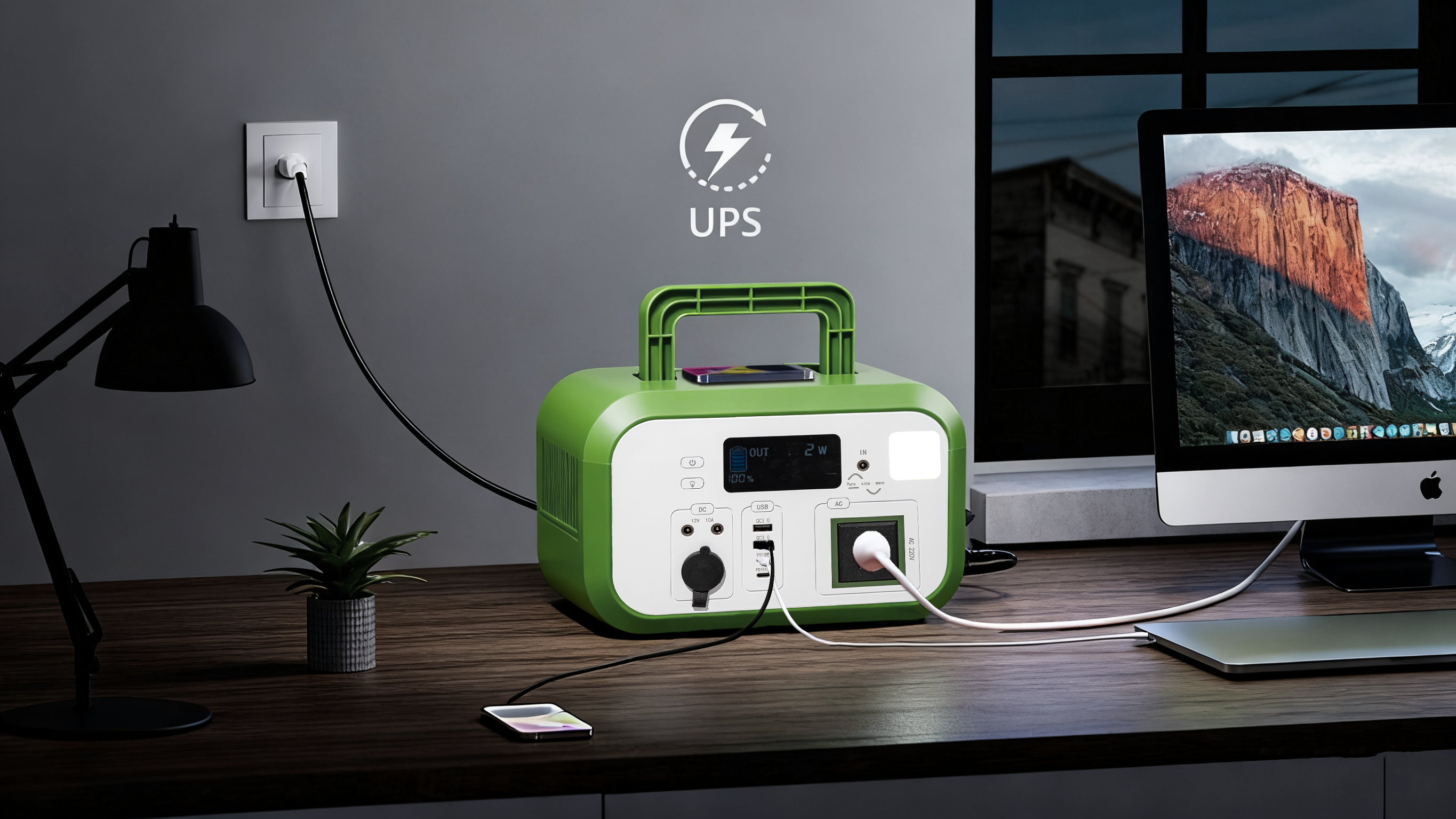
The core of the safety of solar inverter is to prevent electric shock, fire, equipment damage and personal injury, which are mainly reflected in these key aspects:
1. Electrical safety (electric shock prevention)
High voltage isolation design
The photovoltaic voltage on the DC side is very high. Electrical isolation (transformer or safety topology) is used to prevent DC high voltage from being connected to the AC side, so as to avoid electric shock to human body.
Leakage protection (RCD/leakage protection)
Real-time detection of earth leakage, once abnormal, immediately trip and power off.
Anti-reverse connection and anti-misoperation
The DC input and AC output will not be directly burned, and the terminal is designed to prevent finger touch.
2. Fire protection and overheating protection (fire prevention)
Overtemperature protection
If the internal temperature is too high, the load will be automatically reduced or stopped to avoid overheating and fire of components.
Overcurrent and short circuit protection
When the line is short-circuited and the current is too large, it can be quickly cut off to prevent the cable from burning.
Flame retardant material
The shell, PCB, etc. are made of V0 flame retardant materials, so it is not easy to spread the fire even if it fails.
3. Lightning protection and surge protection
Built-in lightning protection module (SPD) can resist the impact of lightning strike and power grid surge, and prevent the inverter and photovoltaic panel from being damaged by breakdown.
Double lightning protection on DC and AC sides improves the safety of outdoor harsh environment.
4. Power grid security (islanding prevention)
Island protection
When the power grid fails, the inverter immediately stops supplying power to the power grid to avoid electric shock to maintenance personnel.
Over/under voltage, over/under frequency protection
When the voltage and frequency of the power grid are abnormal, it will automatically disconnect from the network to protect itself and household appliances.
5. DC side safety (photovoltaic side)
PID protection (potential-induced attenuation protection)
Protect photovoltaic modules from high voltage damage, prolong service life and reduce potential safety hazards.
Anti-DC arc drawing
Detect and cut off dangerous arc to avoid fire caused by electric spark caused by poor contact.
6. Environment and use safety
ingress protection
Outdoor models are generally IP65 or above, which are waterproof, dustproof and corrosion-proof, so as to avoid short circuit caused by damp.
Fault self-check and alarm
Power-on self-check, real-time monitoring of operation, and abnormal sound and light/APP alarm, which is convenient for timely treatment.
7. Certification security (compliance guarantee)
Through the authoritative safety certification, the representative design meets the mandatory safety standards:
Domestic: CCC, Golden Sun, CQC
International: IEC, VDE, TV, UL
Simple summary: the safety of solar inverter means that people don't get an electric shock, equipment doesn't burn, power grid doesn't mess, lightning strikes don't break, and faults don't explode.


